

Your cart is empty
Continue ShoppingSuggested products
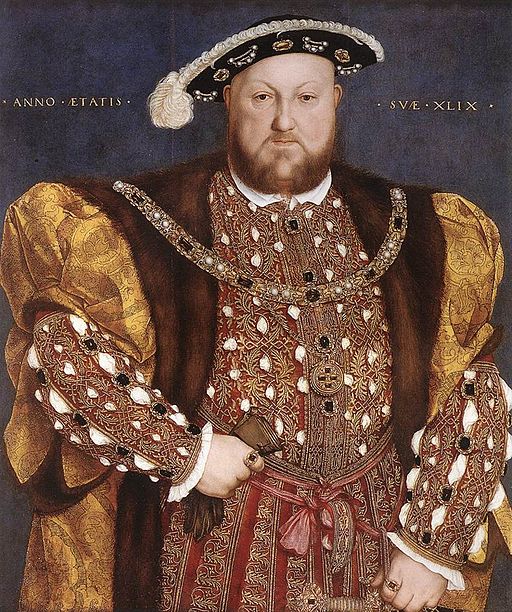
Jewellery wasn’t always a female-exclusive attribute. The female-coded notion is surprisingly a recent concept. For thousands of years, jewellery represented masculinity worn by noblemen and common men alike. While the rich boasted their shimmers and sparks, jewellery served more practical purposes for merchants and sailors.
With the increase of the merchant class in the Renaissance era, signet rings served an important purpose. Merchants stamped on their goods to easily identify them upon arrival. While merchants stamped goods with their rings placed in different shipments to avoid theft and piracy, pirates adorned themselves with gold and silver jewellery. Precious metals were worn rather than safely put away to avoid being stolen. Their portable wealth also served as an insurance policy as a single earring was worth enough to pay for their funeral if his body washed ashore.
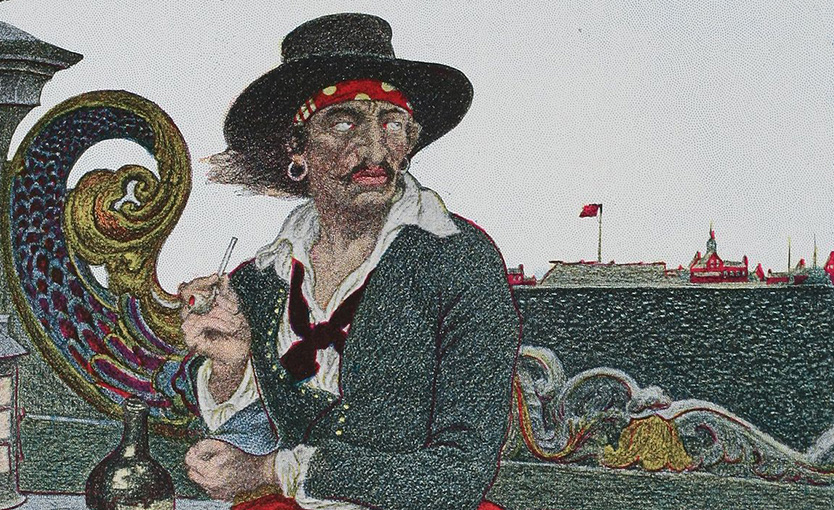
Image courtesy of Wikimedia Commons
Until Henry VIII's reign in the 16th century, men wore more decorative jewellery than women. This slowly began to change with Queen Elizabeth I. The Queen was particularly fond of jewellery. Through her influence, many women began wearing more jewellery and men became more reserved to avoid outshining their counterparts. (image of queen Elizabeth).
Then came the Victorian Era where everything changed. Men stuck to strict dress codes and wore minimal adornments. This was mostly influenced by The Great Male Renunciation, a movement that standardized and revolutionised menswear. With the movement, colorful outfits and extravagant jewellery were out. Monochromatic colors and understated accessories were the new masculinity. Men focused less on being beautiful and more practical. Work was considered a virtue and uniformity in workplaces was needed. A picture of the 20th-century public shows a great example of how menswear took a turn. (image). Colors drained, conventional three-piece suits came with minimal jewellery used.
The period of the Industrial Revolution shaped what we consider menswear today. With the rise of middle working-class men, jewellery became more accessible but less affordable. For the most part, it became inconvenient to wear for work.
Now, the male jewellery trend is slowly making a comeback. Days of conformity are long gone. With originality and uniqueness as valuable traits, men are going back to wearing jewellery. Jewellery is more associated as a form of self-expression and carries meanings unique to every individual. Pieces that could be part of their identity. For this very reason, quality and craftsmanship are a must when exploring pieces that tells a story. Ensure to choose a piece that resonates with your identity.
XHE jewellery was created with our modern men in mind. Designed and crafted exclusively for men. Explore our collection here. Learn more about our commitment to exceptional quality and sustainability here.
** All images: courtesy of Wikimedia Commons
